The idea for the PFP (People First Party) Team World Cup AI video originated around the Dragon Boat Festival. After completing the AI Dragon Boat video, I wondered: what if I took on an even more unique challenge?
The AI Dragon Boat video was my first attempt at creating a multi-character AI “avatar transformation” (AI rebirth). I was quite satisfied with the output, but the production process also gave me a firsthand understanding of the current technical bottlenecks and limitations of AI video generation.
Technical Challenge 1: Image-to-Video Multi-Character Feature Averaging
The primary obstacle in current Image-to-Video workflows becomes apparent when trying to execute a 1:1 AI transformation for multiple characters sharing the same frame. AI-driven Image-to-Video generation is not a traditional face-swapping system; instead, it analyzes and learns unique character features, then generates entirely new animated figures based on that understanding.
When a single frame demands simultaneous motion from multiple characters, the AI’s machine learning process ends up averaging the feature weights across all subjects. To the human eye, the characters start losing their likeness to the original reference photos as specific details get ignored. The more characters present in a single frame, the more their distinct traits are diluted. They begin to look like one another because the AI distributes and averages everyone’s features across the generated subjects.
After finishing the AI Dragon Boat video, I turned my attention to a trending global event: the kickoff of the 2026 FIFA World Cup. For this new project, I wanted every candidate to have a dedicated moment of motion, rather than relying on static images for transitions.
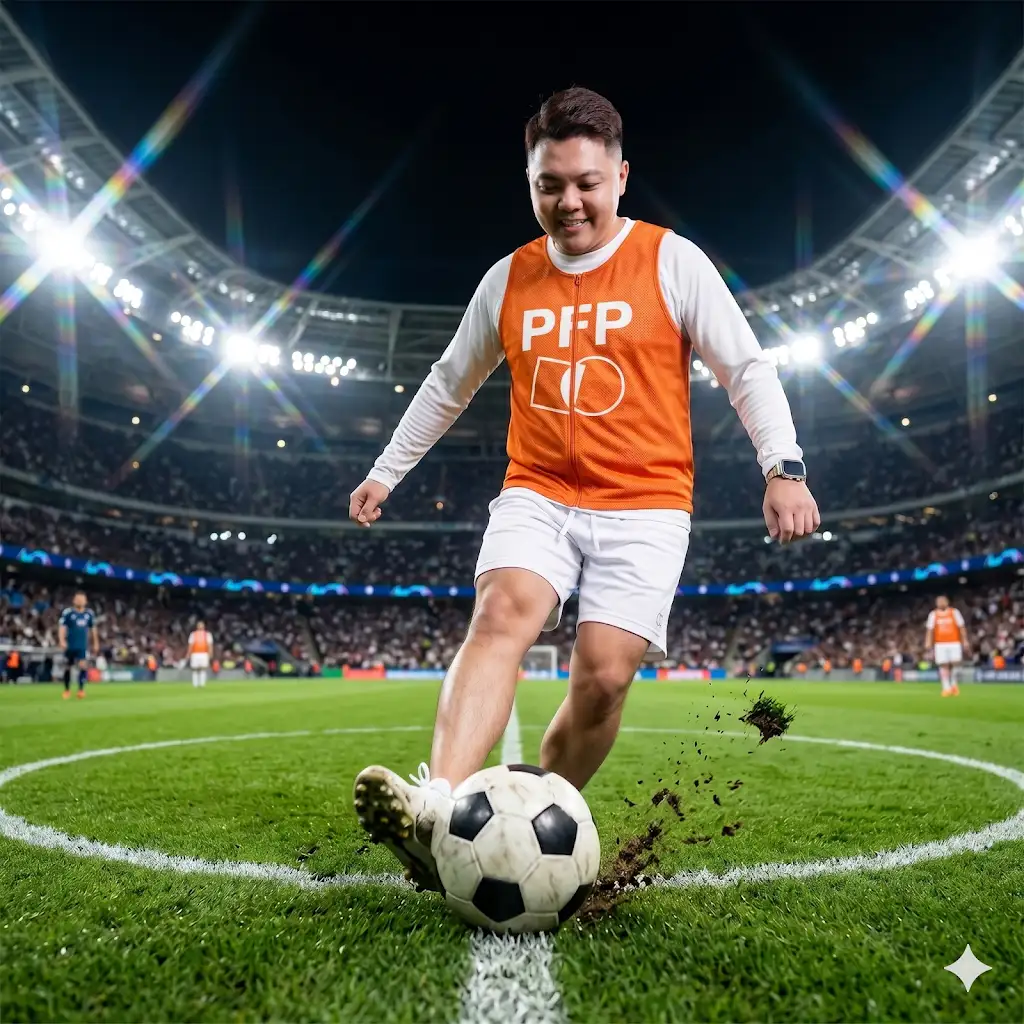
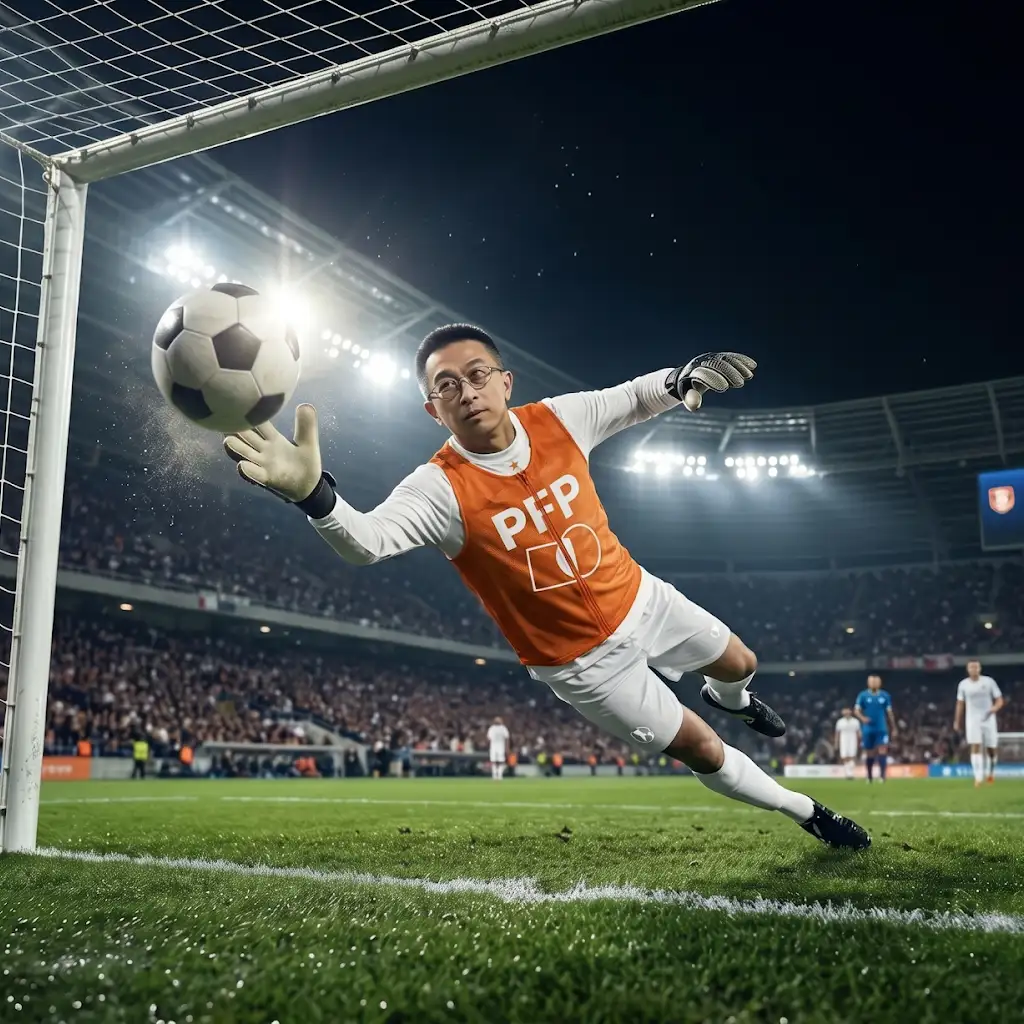
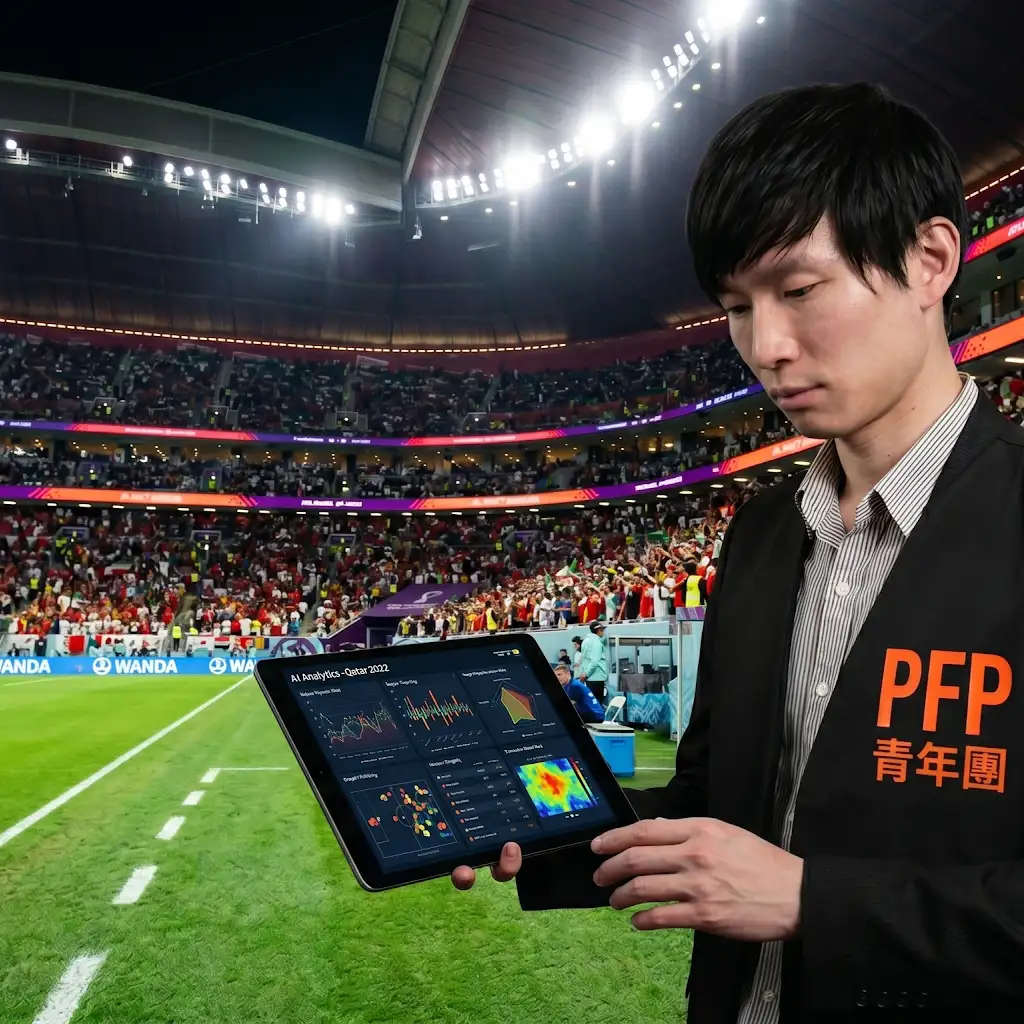
To solve the multi-character averaging issue, I structured the storyboards so that each candidate was given a solo shot executing a football move. By isolating the subject, the AI could focus entirely on generating motion for one specific individual. If secondary subjects were needed, I paired them with AI-generated fictional opponent players—whose exact physical features were irrelevant to the final outcome.
Using Google Gemini Omni to generate 10-second video clips at a time, I spent several days producing about three distinct solo football clips per candidate to ensure enough raw footage for the final edit and target running time.


Technical Challenge 2: Bypassing Safety Guardrails on Political Figures
Another major hurdle stems from safety protocols. While Google Gemini Omni supports multi-angle reference photos for specific characters, Google products naturally enforce strict safety policies regarding sensitive topics—such as violence, explicit content, elections, and political figures.
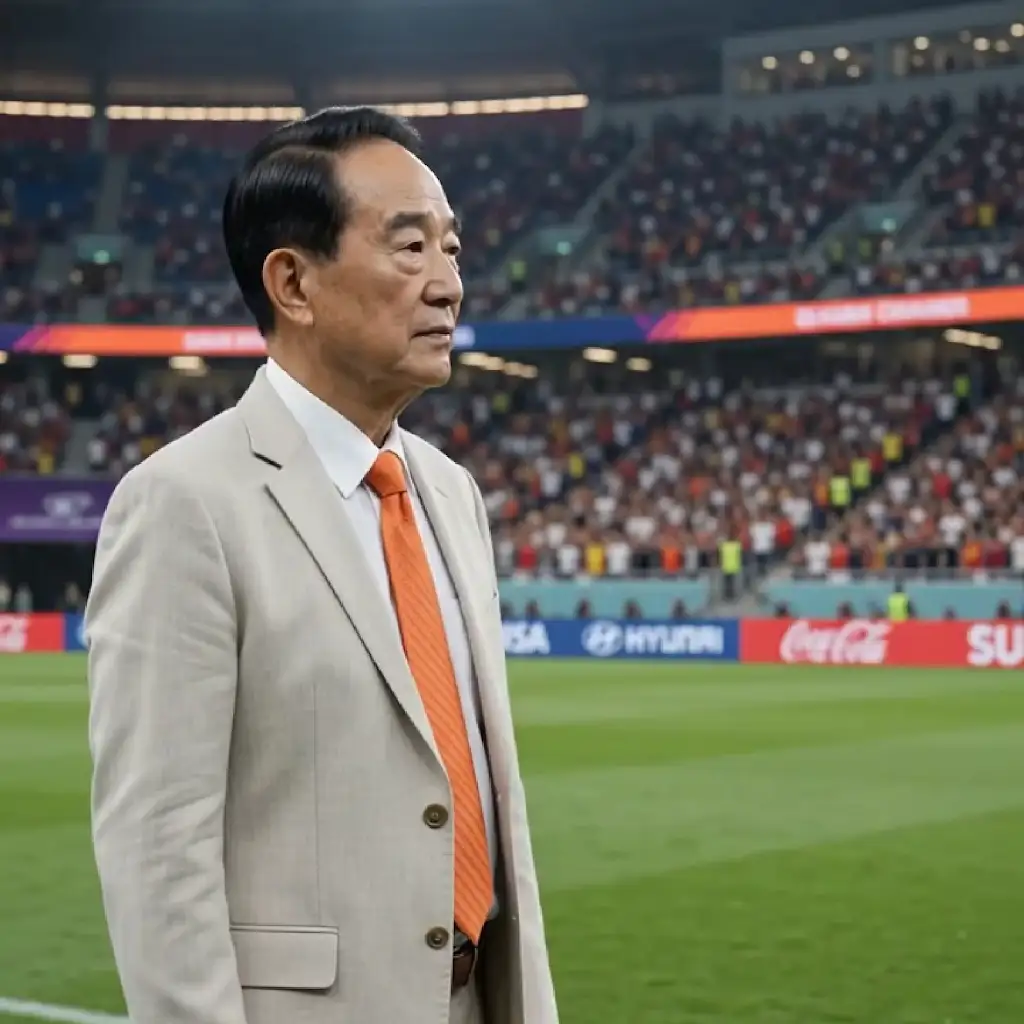
Chairman James Soong is recognized by Google’s systems as a high-profile political figure. In fact, even a simple video featuring his handwritten Spring Festival couplets was flagged by AI as election-related content. Inputting “James Soong” into Google Translate directly yields his official Chinese name, showing how deeply embedded his identity is in Google’s databases.
As a result, generating AI video content of political figures using Google Gemini Omni or Google Veo requires a delicate, indirect approach. Attempting to prompt the AI to generate Chairman James Soong directly means working within implicit boundaries and subtle prompt engineering.
Technical Challenge 3: Audio Constraints & Custom Composition
The final challenge involved audio rights and duration constraints. YouTube Shorts enforces a strict 60-second limit if you select background tracks from YouTube’s native audio library due to music licensing agreements. The final cut of this World Cup video came out to 136 seconds.
We bypassed the Shorts duration cap by using a completely custom audio file—a track generated using Google Lyria within Google Gemini. Music and background audio serve as the soul of any video edit; aligning the rhythm, mood, and visual pacing with the audio composition is critical to driving the viewer’s emotional connection.
Final Reflections
Chairman Soong expressed great appreciation for the final AI World Cup video, sharing that he was moved by its message and called it a true demonstration of collaboration: “We are a team!”
For me, the greatest encouragement as a creator is when the audience’s emotional response perfectly aligns with the project’s original intent. That synchronization is the highest validation for any AI video production.
These are my technical insights from applying AI video creation to the People First Party’s 2026 campaign initiatives. As for the concept for the next campaign-related AI video, I have not decided yet. It remains an ongoing journey of learning and testing—a continuous challenge for both the creator and the AI itself.